Paradigm Shift in Timber Pole Condition Assessment (Whitepaper)

Tony Ging, THOR PoletestTM Engineering Manager and Ian Flatley, Managing Director, Products have challenged the traditional methodologies used to assess the condition of timber poles across utility networks.
They claim estimating a Residual Strength Valve (RSV) is an antiquated methodology and no longer fit for purpose.
RSV relies on subjective decision-making, questionable practices, is costly for utilities and ultimately provides inaccurate results which can compromise safety and add costs unnecessarily.
Technologies have advanced and there are now better options in place which give more robust results. An acceleration of climate extremes adds urgency to utilities to update their practises.
This has implications for those responsible for managing the networks’ assets, health and safety and overall budget management, as well as for the field-testers themselves.
This paper highlights the issues and limitations of current methodologies and shows how new technologies, such as the THOR PoletestTM can help utility companies save money, manage risk and increase the resilience of their service.
Read the full whitepaper here
Other News & Updates
Designing Infrastructure People Want to Live With
Globally, as we transition toward a cleaner, electrified future, one reality has become clear: we cannot decarbonise without building. New overhead lines, underground cables, substations,and renewable energy infrastructure will shape the energy landscape for decades to come.
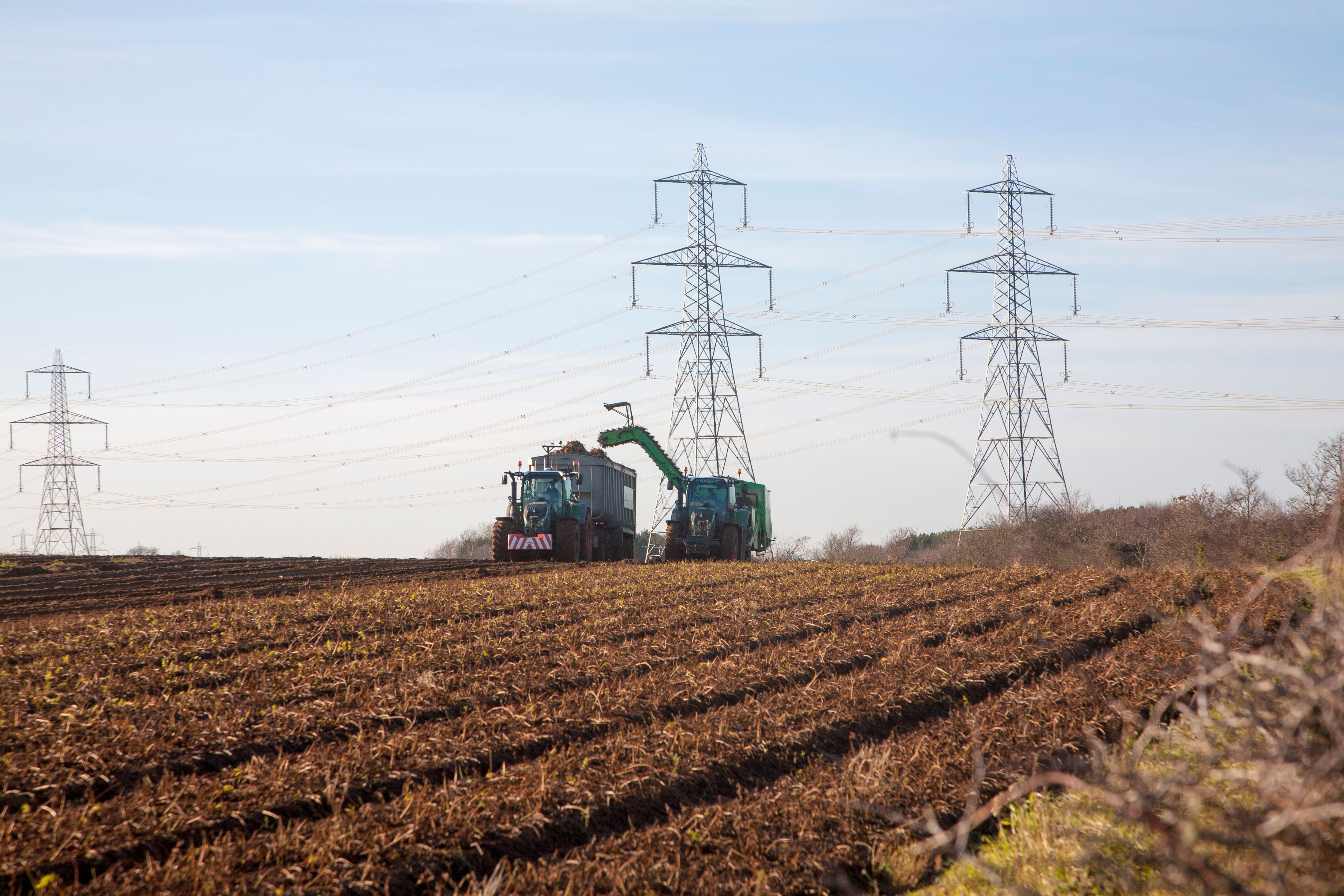
Groundline Secures Seven Year Framework Agreement with UK Power Networks
Groundline is pleased to announce the award of a seven year framework agreement with UK Power Networks for the provision of overhead line and underground cable design services. The agreement comprises of an initial four-year term, with the option to extend for a further three years.
.png)
Designing Electricity Infrastructure with the End in Mind: Why Asset Stewardship Must Begin at the Design Table
Sit in on any utility planning meeting and you’ll see the same challenge: project delivery dominates the agenda, while asset management fights for attention.

Let’s Build Smarter, Safer, Stronger
Whether it’s a new project, technical support, or simply a conversation about possibilities — we’re here to help.